
In today's digital world, botnet attacks have become an ever-increasing threat. Botnets are complex networks that allow hackers to infiltrate target systems and take control of millions of devices. These bot networks typically operate without users being aware and provide attackers with a powerful weapon. Botnet attacks enable cybercriminals to carry out malicious intentions against various targets, such as theft, phishing, ransomware attacks, and even cyber warfare activities. These attacks can affect both individual users and corporate networks, causing significant data losses, financial damage, and reputational harm. In this article, we will examine in detail how botnet attacks work, their common use cases, and their potential effects, and discuss the measures that can be taken to combat this threat.
Botnet networks have a complex structure consisting of infected devices, typically controlled by a group of malicious individuals or organizations. These networks are usually created by infecting targeted devices via viruses, Trojan horses, or malicious software. The targets of botnets are various devices including computers, smartphones, tablets, IoT devices, and even servers.
To create a botnet network, attackers first distribute malicious software to infect target devices. This malicious software typically arrives via deceptive files that users download unknowingly or that exploit security vulnerabilities. Once the malware infects the target device, it begins to operate as a "bot" that provides feedback to attackers and receives their commands.
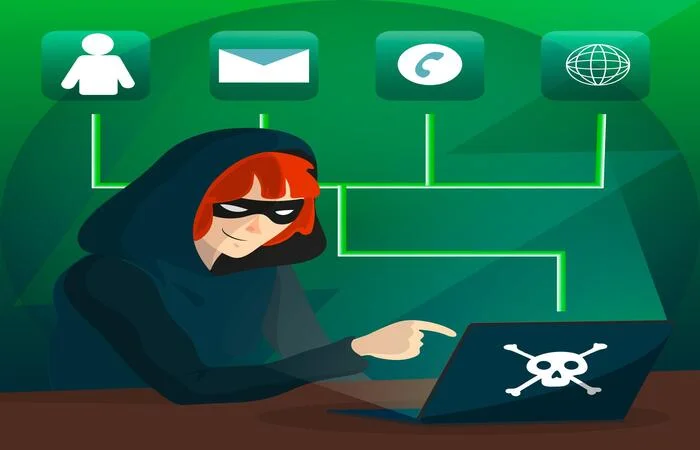
The main control point of the botnet network is a central server that attackers call the "command and control" (C&C) server. This server is a central control point through which attackers transmit commands and instructions to all bots. Through these commands, attackers can simultaneously control all infected devices connected to the botnet network and have them perform specific actions.
Botnet networks can apply different attack tactics by using infected devices. For example, with DDoS (Distributed Denial of Service) attacks, they can send massive amounts of traffic to target systems, exhaust their resources, and cause them to crash. Botnets can also carry out malicious activities such as phishing attacks, data theft, ransomware attacks, and spam distribution.
Types of Botnet Attacks
1- DDoS Attacks (Distributed Denial of Service)
Botnets are commonly used for DDoS attacks. In this type of attack, the infected devices under the botnet's control send a heavy amount of traffic to the target system or network. The intensity of this traffic exhausts the target's resources and prevents services from functioning normally, rendering the target systems unusable.
2- Phishing Attacks
Botnets are also used in phishing attacks targeting users. Botnet operators try to deceive users with fraudulent emails or fake websites in order to steal their personal information or login credentials. This information can later be used for malicious purposes.
3- Data Theft
Botnets can carry out data theft by infiltrating computers and networks. Through infected devices, attackers can capture users' personal information, financial data, or sensitive corporate information. This information can later be used for malicious activities or sold on the black market.
4- Ransomware Attacks
Botnets are used in the distribution of ransomware. Through infected devices, attackers infect target systems with malicious software and then encrypt files to block access. They can then demand ransom, requesting payment for the files to be decrypted.
5- Spam Distribution
Botnets can be used to send large quantities of spam emails. Infected devices generate fake emails and send those containing harmful content or unwanted advertisements to targets. This makes it easier to bypass spam filters and spread unwanted content.
How are botnet attacks carried out?
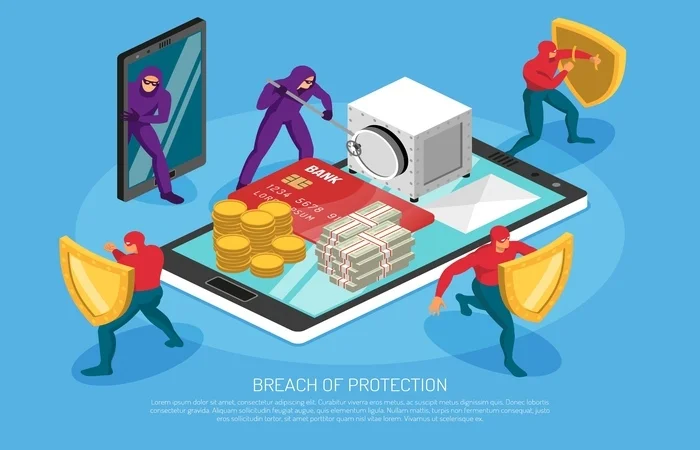
Botnet attacks are typically carried out in the following steps:
Infection Phase
In botnet attacks, the infection phase is a critical step in which attackers aim to infect target devices with malicious software. This step encompasses the methods used by cyber attackers to take over target devices and incorporate them into the botnet. Infection is typically carried out by attackers skillfully using a variety of methods and tactics.
- Attackers use various tools to initiate the infection. For example, they try to deceive users via email attachments or malicious links. Malicious software hidden in email attachments or links exploits users' security vulnerabilities to infect the device. In addition, exploit kits and attacks targeting security vulnerabilities are also frequently used during infection. By detecting security vulnerabilities, attackers attempt to infiltrate devices and infect target systems with malware.
- Infected target devices try to join the botnet network by communicating with the control server. The malware connects to servers under the attackers' control, receives commands, and acts according to the attacker's wishes. In this way, a botnet network consisting of thousands or even millions of devices is created.
- The infection phase is a complex process in which cyber attackers use advanced techniques and strategies. To deceive users, attackers employ social engineering tactics; to detect security vulnerabilities, they use automated tools and complex coding methods. For this reason, it is of great importance to take measures such as raising users' security awareness, using up-to-date software, and patching security vulnerabilities.
Building the Bot Network
Infected devices connect to the botnet network to receive commands and instructions determined by the control server. At this stage, the infected devices become "bots" and operate under the attackers' control. Bots regularly communicate with the control server and receive the attackers' instructions.
Command and Control
Bots are programmed to apply the commands and instructions they receive from the control server. These instructions can include various types of attacks such as DDoS attacks, phishing attacks, data theft, or other malicious activities. Through the control server, attackers can send commands simultaneously to all bots and coordinate the botnet network.
Attack Phase
Botnet operators use the bots in the botnet network to carry out attacks against designated targets. For example, in DDoS attacks, bots send heavy traffic to the target system or network, consume its resources, and prevent services from functioning normally. In phishing attacks, bots try to deceive users via fake websites or fraudulent emails to steal personal information.
Stealth and Continuity
Botnet attacks are typically designed to make it difficult to track the attackers. Attackers may encrypt communications among infected devices or use different IP addresses. In addition, to ensure the continuity of botnets, new infected devices are constantly sought out. Attackers use various methods and tools to bypass security measures and conceal bot networks.
Botnet Management
Botnet operators use management tools and control panels to manage the botnet network. These tools are used to monitor the status of infected devices, add new infected devices, send commands, and generally manage the botnet's activities. Attackers continuously work to update the bots in the network, develop new attack tactics, and increase the efficiency of the botnet.
Who is targeted by botnet attacks?
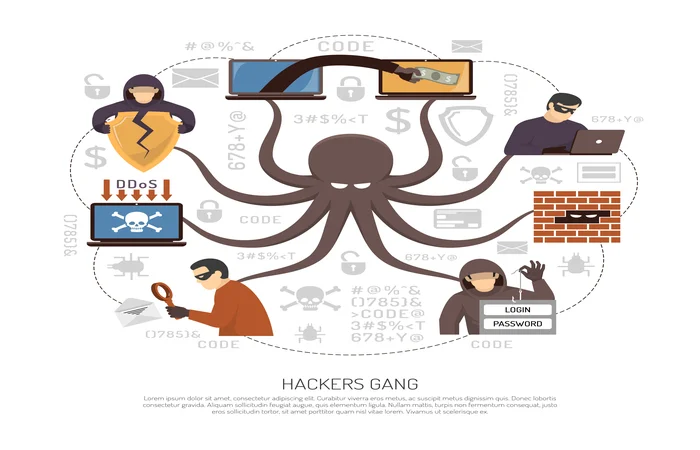
Botnet attacks can be carried out against individuals and organizations in various sectors. Below are some potential individuals and organizations that may be targeted by botnet attacks:
- Individual Users: Botnet attacks can target individual users. Through infected devices, attackers can engage in malicious activities such as stealing personal information, sending ransom demands, or conducting phishing attacks.
- Companies and Organizations: Botnet attacks can target the cyber security of companies and organizations. Attackers can infiltrate corporate networks to carry out data theft, capture company information, or block network services. Additionally, they may demand money from companies through ransom attacks or damage their reputations.
- Public Institutions and Governments: Botnet attacks pose a significant threat to public institutions and governments. Attackers can infiltrate government networks to access sensitive information, disrupt government services, or cause information leaks. Such attacks can pose a threat to a country's critical infrastructure.
- Financial Institutions: Botnet attacks can target organizations in the financial sector such as banks, payment processors, and other financial institutions. Attackers can carry out phishing attacks against these institutions to capture customer information or target financial resources.
- E-Commerce Sites: Botnet attacks can target e-commerce sites with the aim of obtaining financial gain. Attackers can carry out DDoS attacks against these sites, causing service interruptions, or steal users' information.
Notable Botnet Attacks Around the World
EarthLink Spammer – 2000
The first widely known case of botnets was the emergence of a spam sender created by Khan K. Smith in 2000. This botnet had a major impact, sending 1.25 million emails (phishing scams imitating communications from legitimate websites) over a little more than a year. Smith hoped to collect sensitive information such as credit card numbers or viruses infecting computers, and to obtain information remotely. However, faced with a $25 million lawsuit by EarthLink, Smith was charged with using their networks for the spam scheme. This lawsuit earned him at least $3 million.
Cutwail – 2007
In 2009, the spam botnet Cutwail was sending 51 million emails per minute, contributing 46.5% of the worldwide spam volume. Because Cutwail consisted of approximately 1.5 million infected machines, efforts to shut it down were largely ineffective. Despite an intervention by the FBI, Europol, and other law-enforcement agencies in 2014, the botnet is still active today and is offered as a hireable service.
Grum – 2008
Grum was a spam botnet specialized in pharmaceutical spam and operated on a very large scale. In 2009, Grum was sending 39.9 billion messages per day, accounting for 18% of the world's spam. However, law-enforcement authorities conducted intensive efforts to discover Grum's command and control centers. This operation was successfully carried out in 2012, and the centers were located in regions ranging from the Netherlands to Panama. Through this intervention, Grum's activities were halted and the impact of the spam botnet was largely reduced.
Kraken – 2008
Although the exact size of the Kraken botnet is not precisely known, its broad scope cannot be overlooked. According to estimates, Kraken affected 10% of Fortune 500 companies, and approximately 495,000 bots were each capable of sending up to 600,000 emails per day. The botnet drew attention for using evasion techniques to avoid detection by anti-malware software. Kraken was one of the first observed botnets that automatically updated even when it was updated. Although Kraken is no longer active today, remnants of it have been detected by security systems in the past, and it has the potential to re-emerge in the future.
Methbot – 2016
Methbot fraudulently obtained hundreds of thousands of IP addresses from two global internet registries and associated them with US-based internet service providers. The operators of this botnet created more than 6,000 domain names and 250,267 distinct URLs that appeared to be premium publishers. They had advertisers bid on these domains and then sent their bots to "watch" approximately 300 million video ads each day. Methbot was discovered by White Ops in 2015 and was completely blocked. However, we always observe signs of Methbot re-emerging, and for this reason caution must be exercised.
Mirai – 2016
The Mirai botnet, with a large-scale distributed denial-of-service (DDoS) attack, blocked access to many internet services on the US East Coast. However, what made Mirai stand out was that it was the first major botnet to infect insecure IoT (Internet of Things) devices. At its peak, the worm spread to more than 600,000 devices. The most surprising aspect was that the botnet was created by a group of university students who wanted to gain an advantage in the game Minecraft. Mirai exploited the use of simple passwords or weak security measures on these IoT devices to attack them. This event was an important turning point that demonstrated the potential risks of weakly secured IoT devices and the broad scope of botnet attacks.
Notable Botnet Attacks in Turkey and Around the World
MisoSMS
MisoSMS, a dangerous botnet discovered by the security company FireEye, scans and steals SMS messages from users in South Korea. The stolen SMS messages are then sent to email addresses of hackers in China. This botnet is activated through the installation of an application that introduces itself as Google Vx.
The application requests administrator privileges from users, and many users grant permission because they do not realize the danger. After receiving the user's consent, the application begins stealing SMS messages. The stolen messages are then sent in bulk to be shared with hackers via a system controlled with more than 450 email accounts. According to FireEye, the hackers regularly read the stolen messages.
The bot targeting President Erdoğan and the Libya operation
A network of more than 9,000 bot accounts operating on Twitter and serving the political interests of the United Arab Emirates and Saudi Arabia was identified and shut down. This bot network was publishing posts targeting President Recep Tayyip Erdoğan and criticizing Turkey's intervention in Libya. It was also publishing content aimed at exploiting the COVID-19 pandemic for political purposes.
The network was first reported to Twitter by the Stanford Internet Observatory in December 2019, and was later discovered by an Indiana-based researcher. The accounts shared with the Digital Forensic Research Lab (DFRLab) and BuzzFeed were examined through analyses that confirmed they were bot accounts. This bot network served functions such as supporting campaigns through hashtag use and providing greater reach to audiences for specific aims.
DFRLab documented different artificial agenda-setting bot networks ranging from the promotion of a Korean pop group to political campaigns in India, and prepared a comprehensive report on the coordinated operations conducted on Twitter to support the United Arab Emirates' interests in Libya and other regions.
How can you prevent your computer from becoming part of a botnet?
- Stay Up to Date: Regularly update your operating system, applications, and security software. Updates are important for improving the security of your computer and addressing known vulnerabilities.
- Use Strong Passwords: Protect your accounts by using strong and unique passwords. It is important that passwords be complex, unpredictable, and reinforced with multiple factors (for example, two-factor authentication).
- Use Security Software: Security software is critical for detecting, blocking, and removing malicious software. Detecting malicious software and blocking unauthorized access attempts is a fundamental requirement for ensuring network security.
Among security software, antivirus programs are used to detect and clean malicious software. These programs continuously scan your computer and detect known malicious software. Firewalls protect your network and form a barrier against unwanted access. By blocking unauthorized network traffic, they enhance your network's security.
Many network administrators prefer well-known and trusted brands such as Kaspersky, Symantec, and McAfee as security software. These products have a broad malware database and are continuously updated to provide protection against new threats.
Additionally, regularly updating security software is of great importance. While attackers continuously develop new and sophisticated malicious software, updates are essential for combating these new threats. For this reason, it is recommended to enable automatic updates for security software and to regularly check for updates.
Network administrators should configure security software effectively, optimize their settings, and apply security policies as needed. Furthermore, in addition to security software, additional security measures such as network monitoring and intrusion detection systems can also be used to further strengthen network security.
- Watch Out for Phishing Attacks: Be careful with suspicious emails, links, and downloads. Avoid clicking on content from unknown or untrusted sources.
- Use an Effective Spam Filter: Use an effective spam filter that blocks spam emails and unwanted messages. This way, you will not be exposed to messages containing malicious links or harmful attachments.
- Monitor Network Traffic: By regularly monitoring your network traffic, you can detect unexpected or suspicious activities. Abnormal data transfers or connections can be signs of a botnet attack.
- Update Your Network Devices: Regularly update the firmware of your modems, routers, and other network devices. These devices may also contain security vulnerabilities, so it is important to keep up with updates.
- Perform Regular Backups: Regularly back up your important data. This way, in the event of a possible botnet attack or other security incident, you can protect your data and quickly restore it.
- Secure Your Internet of Things (IoT) Devices: To secure your IoT devices, such as smart-home devices, change default passwords, keep up with updates, and take security measures as needed.
- Be Wary of Unknown Email Attachments: Avoid opening unfamiliar or unexpected email attachments. They may contain harmful code or malicious software.
- Download from Trusted Sources: Download your software from trusted sources. Downloading from official websites and reputable application stores is safer.
- Use Two-Factor Authentication: Enable two-factor authentication on your accounts. This adds an extra layer of security to your accounts and helps prevent unauthorized access.
- Report Suspicious Activity: Report suspicious emails, fraud attempts, or malicious activities to the relevant authorities. This is important to protect other users and to ensure that appropriate security measures are taken.
- Be Aware and Stay Up to Date:Being aware of security issues provides an important advantage in the fight against cyber threats. Following developments in the security field and understanding current threats are the first steps to protecting your computer and personal information.
First and foremost, you must be cautious of social engineering attacks. Social engineering is an attack method in which attackers use manipulative tactics to gain people's trust in order to access sensitive information. Attackers can deceive people through channels such as fake emails, voicemail messages, phone calls, or social media, and capture their personal information. For this reason, you should avoid sharing data with unfamiliar persons or untrusted sources, and carefully evaluate suspicious communications.
You should be conscious of safe internet usage. Avoid suspicious or untrusted websites, use secure and encrypted connections, and set strong passwords for your online accounts. Before opening email attachments or downloadable files, it is important to verify they are trustworthy by checking them with scanning tools.
Finally, you should rely on trusted sources to keep up with current threats and security measures. Certified security experts, technology blogs, security forums, and the publications of official security organizations are useful sources for accessing up-to-date information. By regularly following these sources, you can stay informed about cyber threats and keep yourself up to date.
What damage could it cause to your business?
A botnet attack on your business can cause serious damage and consequences. Here are the damages that botnet attacks could potentially cause to your business:
1. Service Disruption
Botnet attacks can overwhelm your network and servers under heavy demand and cause service disruption. The attack can consume network resources, prevent legitimate users from accessing services, and render your website or online services unusable. This can lead to customer dissatisfaction, lost revenue, and damage to your reputation.
2. Data Theft
Botnets can be used to steal your sensitive data. Using computers under the botnet's control, attackers can move within your business network and capture important information such as usernames, passwords, customer information, and financial data. This information can lead to phishing attacks or fraud, and can shake your business's reputation and customer trust.
3. Financial Losses
Botnet attacks can cause direct financial losses to your business. Factors such as service disruption, customer loss, reputation damage, and the measures required to ensure business continuity can lead to revenue loss. Additionally, financial information being stolen as a result of data theft, or facing ransom demands, can cause financial losses.
4. Reputation Damage
A botnet attack can negatively affect your business's reputation. Service disruptions, security vulnerabilities, or data breaches can shake your customers' trust in you.
5. Loss of Customer Trust
A botnet attack can shake your customers' trust. Situations such as the theft of sensitive information or service disruption can cause customers to worry about the security of their personal and financial data. This can lead customers to lose their trust in your business and seek alternatives.
6. Legal Issues
Botnet attacks can cause your business to face legal issues. For example, if attacks cause damage to other businesses or users, you may face legal disputes and compensation claims. In addition, in cases of data breach or violation of personal-data-protection laws, you may face criminal investigations and fines.
7. Business Continuity Risk
A botnet attack can put your business continuity at risk. Service disruptions or data loss can affect your business processes, disrupt your customer service, and reduce employee productivity. Taking measures to ensure business continuity and dealing with the post-attack recovery process can mean a loss of time and resources for the business.
InfinitumIT Cyber Security Consultancy Service
InfinitumIT helps businesses identify security vulnerabilities, mitigate risks, and protect themselves against attacks by providing expertise, consultancy, and solutions on cyber security matters.
InfinitumIT's Cyber Security Consultancy service includes:
- Threat Assessment: An assessment is performed to determine how vulnerable your business is to cyber threats. This assessment can include reviewing the network infrastructure, software and applications, security policies, and the security awareness of employees.
- Risk Analysis and Management: A risk analysis is performed to identify the security risks faced by your business and to manage them. Potential risk areas such as the business's sensitive data, business processes, software, and hardware are evaluated. A risk-management plan is then created to prioritize risks and determine appropriate measures.
- Security Infrastructure and Solution Design: Recommendations are provided for strengthening your business's security infrastructure. This may include the deployment of firewalls, intrusion detection systems, security software, and other technological solutions. A security solution customized to your business's needs and budget is designed.
- Monitoring and Incident Response: Monitoring systems and automated alarm mechanisms are deployed to continuously monitor your business's network, systems, and applications, and to detect potential attacks. Emergency response plans are also created for rapid response to cyber attacks and to minimize their impact.
- Awareness Training: Training programs are organized to raise cyber security awareness for business employees. These trainings provide information about common threats such as social engineering attacks, malicious software, and phishing, and encourage safe working habits.

A botnet is a network created by combining many computers or devices that are under the control of malicious individuals or hackers. These computers are typically called zombie computers and are controlled remotely without the knowledge or permission of their owners. Botnets are usually used for malicious activities, such as DDoS attacks, spam distribution, phishing, and the distribution of malicious software.
A zombified computer is a computer or device that is controlled by a malicious individual or hacker. Such computers are typically infected via malicious software or worms and can be controlled remotely without the knowledge or permission of the owner. Zombie computers are used as part of botnets to carry out attacks or to perform malicious activities.
A botnet network is a network in which zombie computers or devices controlled by malicious individuals or hackers are combined. This network is generally used for purposes such as transmitting the botnet operator's commands, providing command and control, coordinating attacks, and gathering information. Botnet networks typically have a distributed structure, which makes detection and prevention of the botnet more difficult.
A DDoS (Distributed Denial of Service) attack is a type of attack in which a heavy amount of traffic is directed at a targeted website, server, or network, causing resource exhaustion and rendering the service unusable. Botnets are frequently used to carry out DDoS attacks. The botnet operator uses the zombie computers connected to the botnet network to generate a large flow of traffic and creates an excessive load on the target system or network. This consumes the target's resources and renders the service unusable.
A DDoS (Distributed Denial of Service) attack is a type of attack that overwhelms the resources of a targeted system, network, or resource by sending heavy amounts of traffic, requests, or data, causing the service to be disrupted. DDoS attacks are typically performed using traffic from multiple sources, from different geographical locations, and often from malicious networks such as botnets. These attacks can lead to outcomes such as excessive resource consumption on the target system, exceeding network bandwidth limits, or depletion of infrastructure resources.
Hackers typically use malicious software or worms to control botnet networks. This malicious software is used to infect zombie computers and to enable hackers to remotely control the computers. Hackers can manage the zombie computers connected to the botnet network through a control panel or command-and-control servers. In this way, they can coordinate attacks, carry out malicious activities, steal sensitive information, or perform other harmful actions.
Common methods used in botnet attacks include strategies such as Command and Control (C&C) servers, phishing campaigns, exploit kits, and the use of zombie computers. By understanding the working principles of these methods, how attackers maintain control, and how infected computers are used, you can better grasp botnet attacks.
Latest Posts