
Ağ saldırısı, bilgisayar sistemleri, ağ altyapıları veya internete bağlı cihazlar üzerinde kasıtlı ve zarar verici eylemlerin gerçekleştirildiği bir saldırı türüdür.
Bu saldırılar, bilgisayar korsanları, siber suçlular, devlet destekli aktörler veya kötü niyetli bireyler tarafından gerçekleştirilebilir. Ağ saldırıları, bilgi hırsızlığı, sistemleri devre dışı bırakma, veri manipülasyonu, hizmet kesintisi ve kullanıcı gizliliğinin ihlali gibi bir dizi zararlı sonuç doğurabilir. Bu saldırılar, teknolojinin gelişmesiyle birlikte karmaşık hale gelmiş ve çeşitli yöntemler ve stratejiler kullanılarak gerçekleştirilmektedir. Bu makalede, farklı ağ saldırı türleri, saldırıların amacı ve etkileri üzerinde durularak, bu saldırılara karşı alınması gereken önlemler ve savunma stratejileri ele alınacaktır.

Ağ Saldırısı Türleri
DoS (Denial of Service) Saldırıları
Ağ kaynaklarını aşırı yükleyerek hedef sistemlere hizmet kesintisi yaşatmayı amaçlar.
DDoS (Distributed Denial of Service) Saldırıları
Birden fazla kaynaktan gelen trafiği hedef sisteme yönlendirerek ağ kaynaklarını tüketir ve hizmet kesintisi oluşturur.
Man-in-the-Middle (MitM) Saldırıları
İletişimde yer alan iki taraf arasına girerek verileri ele geçirir, manipüle eder veya izler.
ARP (Address Resolution Protocol) Zehirleme Saldırıları
Ağdaki ARP tablosunu manipüle ederek hedef cihazın iletişimini keser veya yönlendirir.
Rogue AP (Rogue Access Point) Saldırıları
Yapay bir erişim noktası oluşturarak kullanıcıların ağ trafiğini ele geçirir veya manipüle eder.
VLAN Hopping Saldırıları
Sanal ağlarda VLAN trafiğini izinsiz olarak geçerek güvenlik duvarlarını aşmayı hedefler.
Botnet Saldırıları
Birçok bilgisayardan oluşan bot ağıyla hedef sistemlere saldırı yapar veya kötü amaçlı işlemler gerçekleştirir.

Network güvenliğini nasıl sağlarsınız?
- Güvenlik Duvarı (Firewall) kullanımı: Ağa giren ve çıkan trafiği izleyerek zararlı veya istenmeyen aktivitelere karşı koruma sağlar.
- Kimlik Doğrulama ve Yetkilendirme: Kullanıcıların ağa erişimi denetlenir ve sadece yetkili kullanıcıların ağa erişmesi sağlanır. Güçlü parolalar, iki faktörlü kimlik doğrulama gibi önlemler kullanılır.
- Veri Şifreleme: Ağ trafiğini şifreleyerek, bilgilerin güvenli bir şekilde iletilmesini sağlar.
- Sistem ve Yazılım Güncellemeleri: Sistemlerin ve yazılımların düzenli olarak güncellenmesi, güvenlik açıklarının giderilmesini sağlar.
- Zararlı Yazılım Koruması: Antivirüs, antimalware ve güvenlik yazılımları kullanarak zararlı yazılımların tespit edilmesi ve engellenmesi sağlanır.
- Erişim Kontrolü: Kullanıcıların ağ kaynaklarına sınırlı ve gereksiz erişiminin engellenmesi sağlanır. İhtiyaç duyulan erişimlere yetki tabanlı erişim kontrolü uygulanır.
- Ağ Trafiği İzleme ve Günlükleme: Ağ trafiği izlenerek anormal aktivitelerin tespit edilmesi ve saldırı girişimlerinin belirlenmesi sağlanır. Günlük kayıtları oluşturularak olayların geriye dönük olarak analiz edilmesi mümkün olur.
- Güvenlik Politikaları ve Prosedürler: Ağ güvenliği için güvenlik politikaları ve prosedürler belirlenmeli, çalışanlara eğitim verilmeli ve uyum sağlanmalıdır.
- Ağ İzolasyonu: Hassas verilerin bulunduğu ağ segmentlerinin diğer ağlardan izole edilmesi, saldırı riskini azaltır.
- Kullanıcı Eğitimi ve Farkındalık: Kullanıcıların güvenlik bilincinin artırılması için düzenli eğitimler düzenlenmeli, kimlik avı saldırılarının tanınması ve güvenlik politikalarına uyulması sağlanmalıdır.
Saldırı Tespit Sistemleri
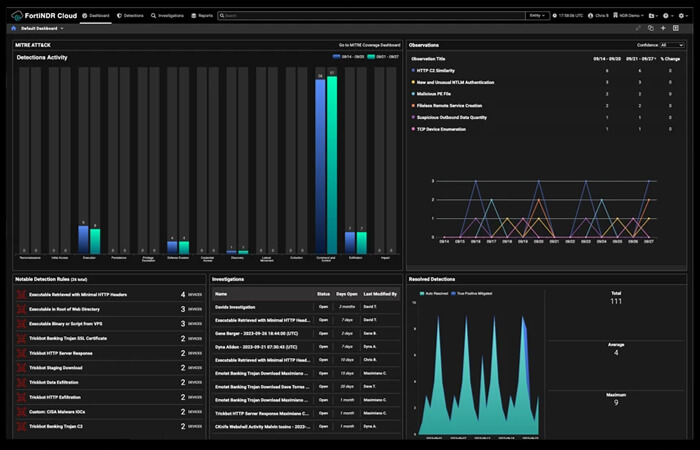
Saldırı tespit sistemleri, bilgisayar ağlarında gerçekleşen potansiyel saldırıları tespit etmek, analiz etmek ve bunlara karşı önlem almak için kullanılan sistemlerdir. Saldırı tespit sistemleri, ağ trafiğini izleyerek ve algoritmalara dayanarak saldırı belirtilerini tanımlamaya çalışır. Bu sistemler, iki ana kategoriye ayrılabilir: imza tabanlı ve davranış tabanlı saldırı tespit sistemleri.
İmza tabanlı saldırı tespit sistemleri, önceden bilinen saldırı kalıplarını tespit etmek için saldırı imzalarını kullanır. Bu imzalar, bilinen saldırılar için tanımlanmış olan karakteristik desenlerdir. Sistem, ağ trafiğini izlerken bu imzaları karşılaştırır ve eşleşme durumunda bir saldırı olduğunu belirler. Bu yöntem, bilinen saldırılar için etkilidir, ancak yeni veya özgün saldırıları tespit etmede sınırlamalara sahiptir.
Davranış tabanlı saldırı tespit sistemleri ise normal ağ davranışlarını öğrenerek ve analiz ederek anormal aktiviteleri tespit etmeye çalışır. Bu sistemler, ağ üzerindeki alışılmadık trafik modellerini veya davranışları belirlemek için istatistiksel analiz ve makine öğrenimi tekniklerini kullanır. Sistem, önceden belirlenen eşik değerlerini kullanarak anormal durumları saptar ve potansiyel bir saldırı olduğunu bildirir. Bu yöntem, bilinmeyen veya gelişmiş saldırıları tespit etmek için daha esnek bir yaklaşım sunar, ancak yanlış pozitif veya yanlış negatif sonuçlar içerebilir.
Saldırı tespit sistemleri, ağ güvenliğinde önemli bir rol oynar ve saldırıların tespit edilmesi ve hızlı bir şekilde önlem alınması için gereklidir. Gelişmiş saldırı tespit sistemleri, gerçek zamanlı izleme, derin paket analizi, yapay zeka ve davranış analitiği gibi ileri teknolojileri kullanarak daha kesin sonuçlar elde edebilir. Bununla birlikte, sürekli güncellenen saldırı yöntemleri karşısında saldırı tespit sistemlerinin de güncel tutulması ve yeniliklere ayak uydurması önemlidir.

Saldırı Tespit Sistemi Araçları
Saldırı tespit sistemleri için kullanılan bazı araçlar:
1. Snort
Açık kaynaklı bir saldırı tespit sistemi olan Snort, ağ trafiğini izleyerek imza tabanlı saldırıları tespit eder ve bunlara karşı önlem alır. Esnek yapılandırma seçenekleri ve geniş imza veritabanı ile popüler bir seçenektir.
2. Suricata
Snort’a benzer şekilde çalışan bir açık kaynaklı saldırı tespit sistemi olan Suricata, imza tabanlı saldırı tespitine ek olarak davranış tabanlı analiz yetenekleri sunar. Yüksek hızlı ağları destekleyen ve çok çekirdekli sistemlerde etkin olarak çalışabilen bir sistemdir.
3. Cisco Firepower
Cisco’nun geliştirdiği Firepower, ağ saldırılarını tespit etmek ve engellemek için kullanılan entegre bir güvenlik platformudur. İmza tabanlı ve davranış tabanlı analizleri birleştirerek kapsamlı bir saldırı tespit sistemi sunar.
4. Palo Alto Networks Next-Generation Firewall
Palo Alto Networks’un geliştirdiği bu güvenlik duvarı çözümü, geleneksel güvenlik duvarlarının ötesine geçerek saldırı tespiti ve önleme yeteneklerini sunar. Derin paket analizi, davranış analizi ve yapay zeka teknolojilerini kullanarak gelişmiş saldırıları tespit eder.
5. McAfee Network Security Platform
McAfee’nin sunmuş olduğu Network Security Platform, ağ trafiğini analiz ederek zararlı saldırıları tespit eder ve bunlara karşı koruma sağlar. İleri tehdit savunma yetenekleri ve hızlı tespit süreleriyle bilinen bir üründür.
6. IBM QRadar
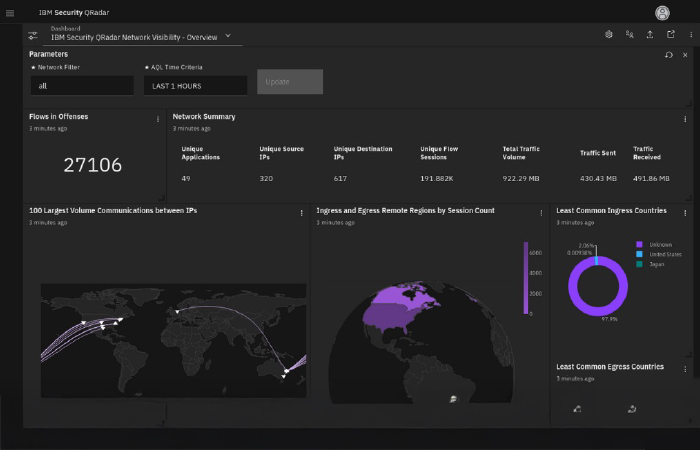
IBM QRadar, olay yönetimi ve güvenlik bilgi ve olay yönetimi (SIEM) yeteneklerini birleştirerek saldırı tespiti için kullanılır. Yapay zeka destekli analitikler, tehdit istihbaratı ve gerçek zamanlı izleme gibi özellikler sunar.
Bu sadece birkaç örnek olup, saldırı tespit sistemleri alanında birçok farklı araç bulunmaktadır. Kuruluşların ihtiyaçlarına ve önceliklerine bağlı olarak farklı araçlar ve çözümler tercih edilebilir.

Ağ Güvenliği için Almanız Gereken Hizmetler
Ağ güvenliği, organizasyonlar ve bireyler için önemli bir konudur ve sağlanması gereken çeşitli hizmetler bulunmaktadır. İlk olarak, ağ güvenliği için güvenlik danışmanlığı hizmetlerini düşünebilirsiniz. Bu hizmet, uzmanlar tarafından gerçekleştirilen bir ağ güvenlik değerlendirmesi ve analiziyle başlar. Mevcut güvenlik zafiyetlerini tespit etmek ve riskleri belirlemek için ağınızın detaylı bir değerlendirmesini yaparlar. Ardından, özelleştirilmiş güvenlik politikaları ve prosedürler oluşturulabilir.
Diğer bir önemli hizmet, güvenlik duvarı (firewall) yönetimidir. Güvenlik duvarı, ağa giren ve çıkan trafiği izleyerek zararlı veya istenmeyen aktivitelere karşı koruma sağlar. Güvenlik duvarı yönetimi hizmeti, güvenlik duvarının düzgün yapılandırıldığını, güncellemelerin yapıldığını ve güvenlik politikalarının etkin bir şekilde uygulandığını sağlar. Aynı zamanda güvenlik duvarı üzerindeki log kayıtlarının izlenmesi ve analiziyle saldırı girişimleri tespit edilebilir.
Ağ izleme ve olay yönetimi hizmetleri de ağ güvenliği için önemlidir. Bu hizmetler, ağ trafiğini sürekli olarak izler, anormal aktiviteleri tespit eder ve olaylara hızlı bir şekilde müdahale eder. Gerçek zamanlı izleme ve olay yönetimi sayesinde saldırılar daha hızlı tespit edilebilir ve müdahale edilebilir.
Saldırı tespit sistemi (IDS) ve saldırı önleme sistemi (IPS) gibi hizmetler de ağ güvenliği için kullanılabilir. IDS, ağ trafiğini analiz ederek saldırı belirtilerini tespit eder ve uyarılar verirken, IPS, tespit edilen saldırılara karşı otomatik olarak önlem alır.
Son olarak, ağ güvenliği için eğitim ve farkındalık hizmetlerine de önem verilmelidir. Kullanıcı eğitimi, güçlü parola kullanımı, kimlik avı saldırılarına karşı korunma ve güvenlik politikalarına uyum konularında kullanıcılara bilgi sağlar.
InfinitumIT Ağ Güvenliği Hizmetleri
InfinitumIT, güvenlikte sınır tanımayan bir yolculuğa davet ediyor. İşletmenizin değerli varlıklarını korumak, tehlikelerle başa çıkmak ve ağınızı sağlam bir kalkanla donatmak için güvenlikte bize güvenin. İşinizi tamamen yüksek kalitede ağ güvenliği hizmetlerine adanmış bir ekip olan InfinitumIT ile güçlendirin. Müşterilerimize güçlü bir ağ güvenliği çözümü sunarken, ağınızı geleceğin tehditlerine karşı korurken size sınırsız bir huzur sağlıyoruz. Ağ güvenliği analizi, güvenlik duvarı çözümleri, kötü amaçlı yazılım tespiti ve önleme, içerik filtreleme ve URL yönetimi gibi en son teknolojileri kullanarak, işletmenizin güvenlik ihtiyaçlarını özelleştirilmiş ve etkili bir şekilde karşılıyoruz. InfinitumIT ile işinizi bir adım öne taşıyın ve güvenliği sınırsız bir deneyime dönüştürün.

En Son Yazılar